 English
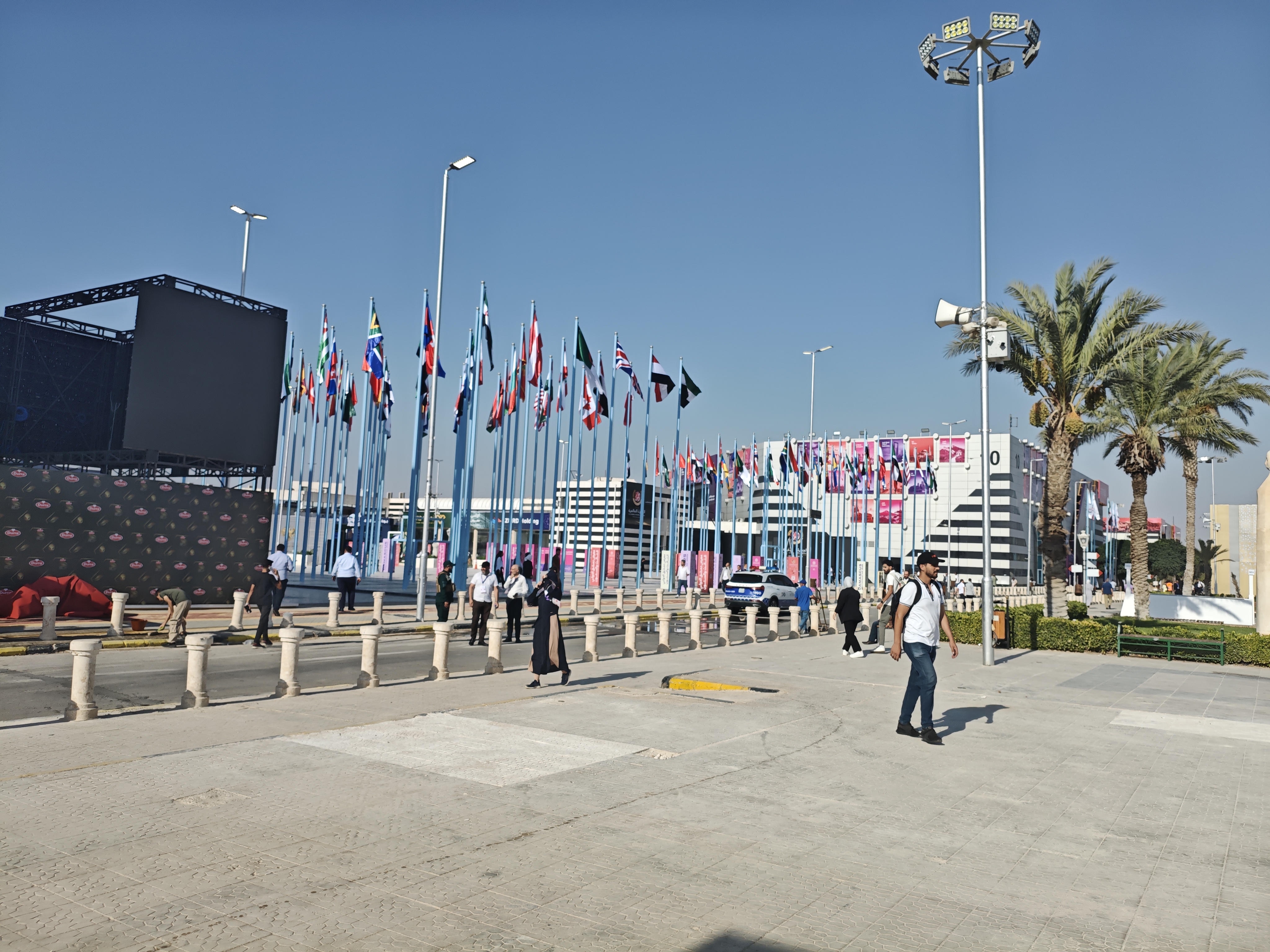
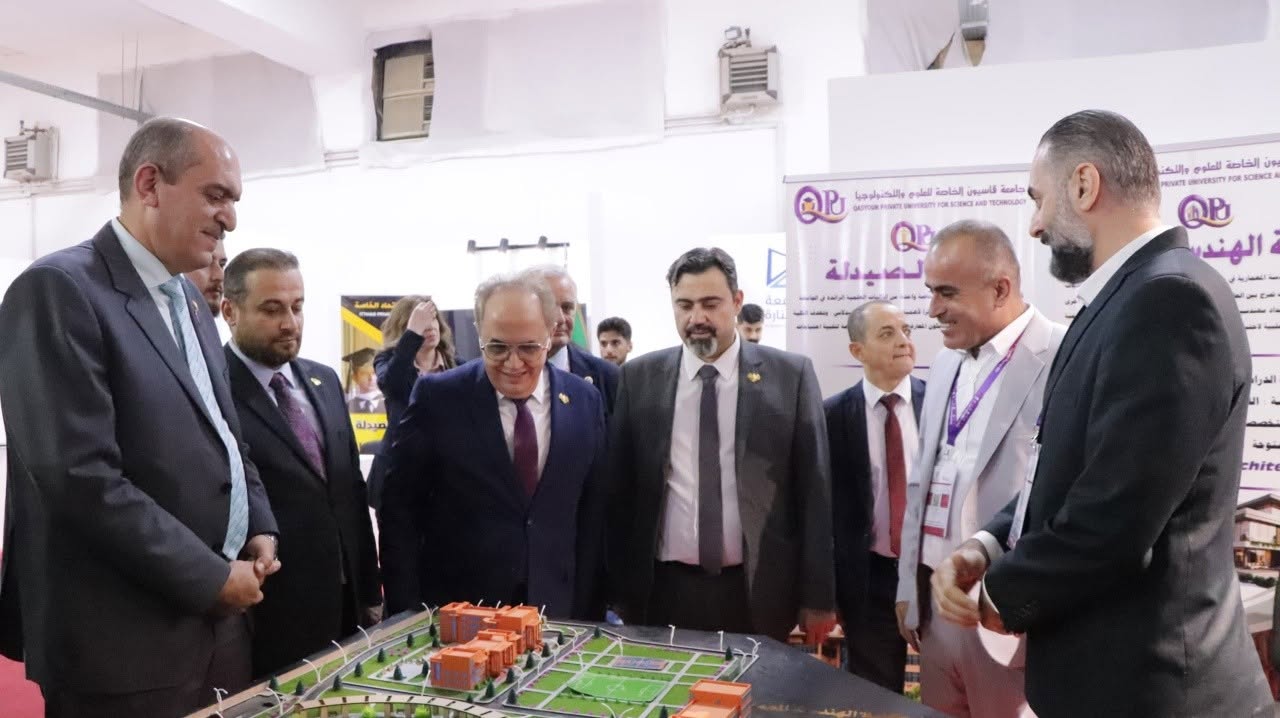

Qasioun Private University for Science and Technology (QPU), established by Legislative Decree No. (261) of 2007, is one of the Syrian academic institutions that focuses on integrating theoretical sciences with biotechnological applications.
The university is located in a geographically and historically rich area (on the Damascus-Daraa road) and operates under the supervision and regulations of the Ministry of Higher Education and Scientific Research in the Syrian Arab Republic.
Academic Environment and Educational System
Qasioun Private University employs the Credit Hour System in all its faculties and educational facilities. This system provides students with high academic flexibility in developing their study plans and distributing courses across the regular semesters (fall and spring) and the optional summer semester, all under the guidance of a robust academic advising system.
Colleges and Academic Departments
The university's specializations are distributed to meet the strategic needs of the job market in the fields of medical sciences, engineering, and humanities and administrative sciences:
1. Medical and Health Sector
College of Pharmacy (5 years):
Focuses on pharmaceutical chemistry, pharmacology, and pharmaceutical manufacturing technology, graduating qualified personnel to manage research and development in pharmaceutical laboratories and clinics.
College of Dentistry (5 years):
Relies on early clinical integration, where students begin with simulated laboratory training in phantom labs, then move on to specialized clinics, receiving patients and analyzing vital signs.
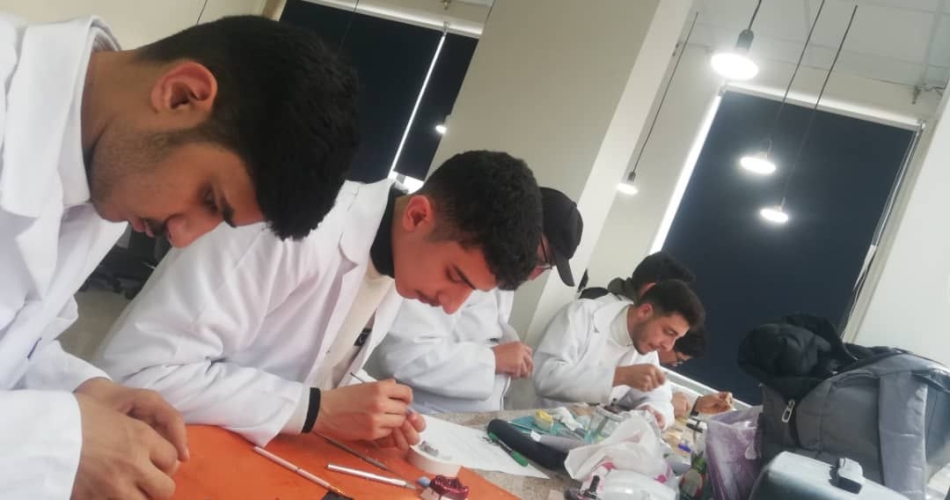
Technical Institute for Dental Prosthetics (2 years):
A technical department focusing on laboratory technology and the fabrication of dentures, crowns, and bridges, keeping pace with computer-aided design (CAD/CAM) systems.
2. Engineering and Technology Sector
Faculty of Informatics Engineering (5 years):
Focuses on software engineering, computer network design, cloud computing, and artificial intelligence, connecting students to virtual work environments and open-source software (such as container technology and advanced databases).
Faculty of Communications Engineering (5 years):
Deals with wireless, cellular, and fiber optic communication systems, digital signal processing, embedded systems design, and the Internet of Things (IoT).
Faculty of Architecture (5 years):
Blends artistic thought with structural and mechanical engineering. Its curriculum focuses on sustainable architecture, urban planning, and computer-aided design through an integrated studio system.
3. Administrative and Human Sciences Sector
Faculty of Administrative and Financial Sciences (4 years):
Includes vital specializations (business administration, accounting, marketing, finance, and banking) and focuses on simulating real-world case studies and using planning systems, financial analysis, and statistics.
Faculty of Arts (4 years):
This program focuses primarily on the Department of English Language and Translation, aiming to supply the market with professional translators and qualified personnel capable of working in public relations and international organizations.
Advanced Curricula:
The university is committed to updating its curricula to align with the National Reference Standards (NARS) issued by the Higher Education Council, ensuring local and international recognition of graduates' degrees.
Mandatory Field Training:
The academic curriculum requires students to complete practical training periods in relevant institutions (such as pharmaceutical factories, hospitals, engineering firms, telecommunications companies, and financial institutions) as a prerequisite for graduation.
Digital Infrastructure:
The university supports its teaching process through a sophisticated network of laboratories equipped with the latest equipment and specialized software, in addition to a central library that provides both print and electronic resources to support student and university research.