 English
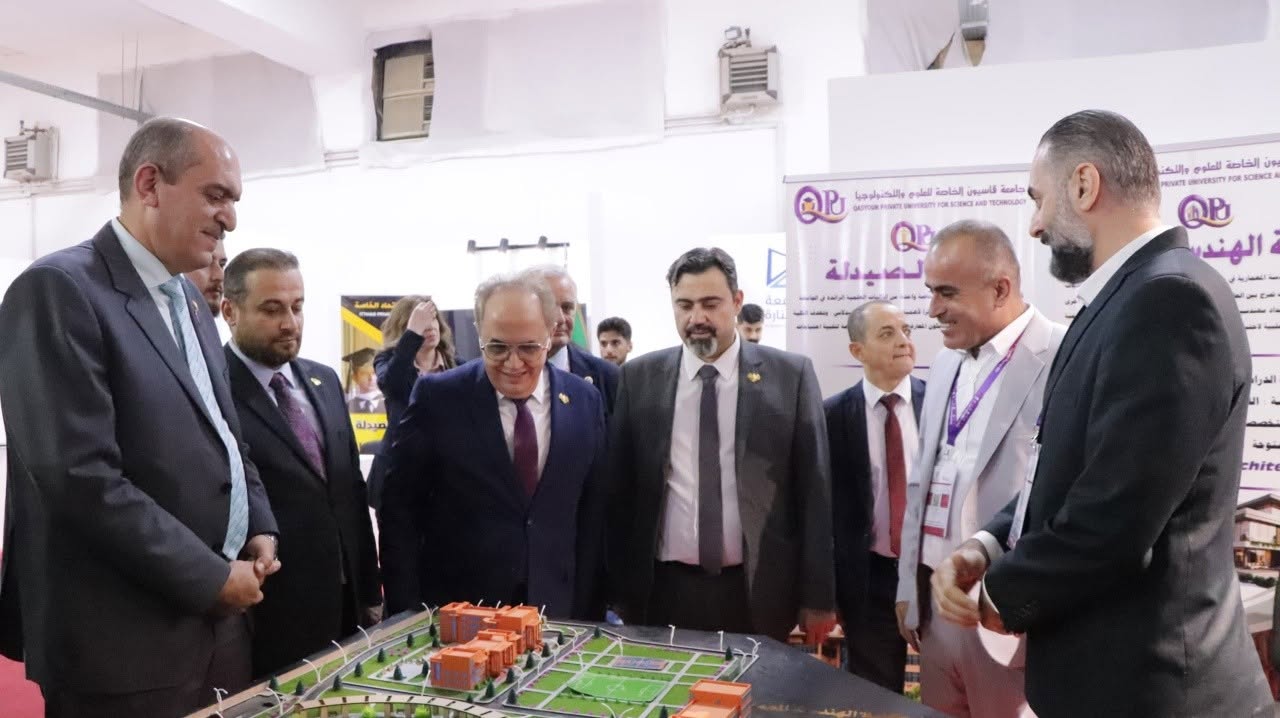
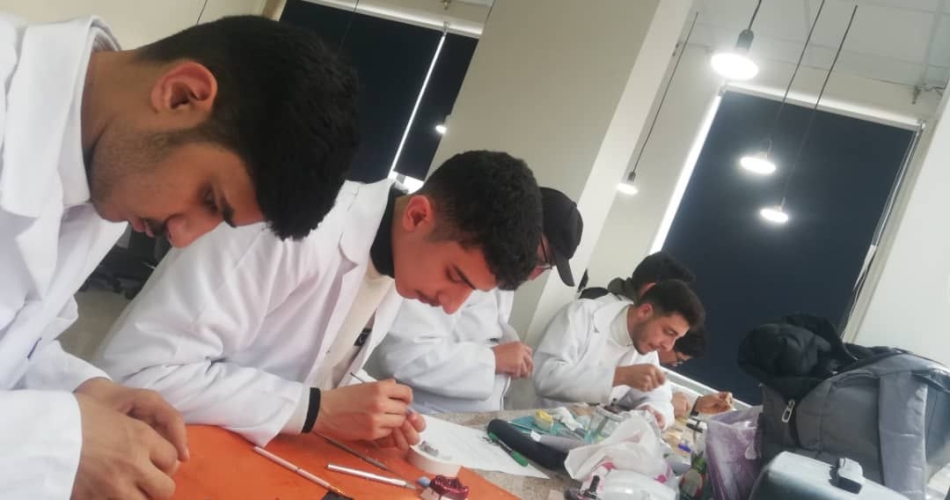
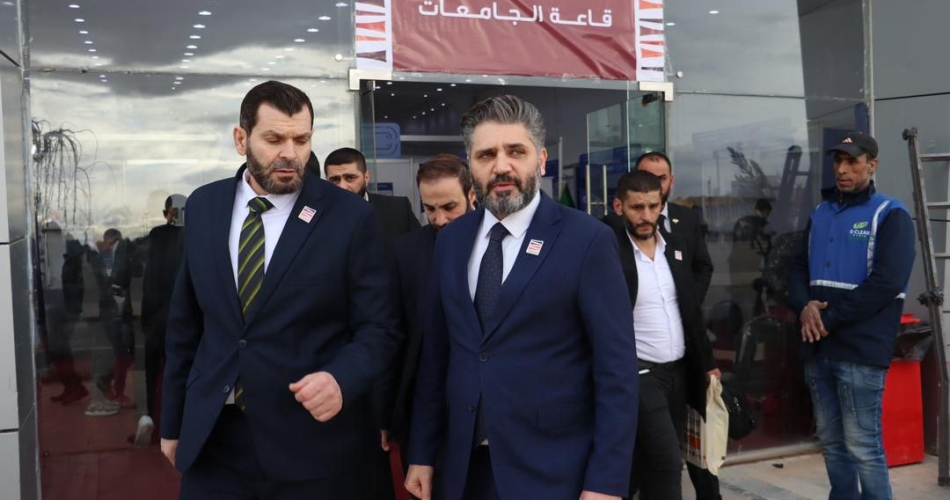

The Faculty of Information and Communications Engineering at Qasioun Private University (QPU) is considered one of the most distinguished faculties, keeping pace with the rapidly evolving digital revolution.
The faculty aims to prepare highly competent engineers capable of building intelligent software, designing and managing complex networks, and developing modern communication systems and digital signal processing. This makes its graduates the driving force behind digital transformation in local and regional companies and institutions.
Vision and Objectives
Integration of Software and Communications: Empowering students with the latest programming languages and cloud technologies, alongside a deep understanding of wired and wireless communication networks.
Focus on Practical Application: Shifting education from a purely theoretical framework to applied projects, building actual systems, and setting up network equipment from the early years.
Development of Engineering and Logical Thinking: Refining skills in complex problem-solving, building efficient algorithms, and analyzing signals and data. Main Specializations and Tracks
The college's curriculum covers strategic specialization tracks that open up broad career opportunities for students:
Software Engineering: Focuses on the software development lifecycle, designing large databases such as SQL Server and PostgreSQL, and building websites, mobile applications, and distributed systems.
Networks & Systems: Focuses on the design and management of computer networks, embedded software solutions, and the setup of servers and virtual environments.
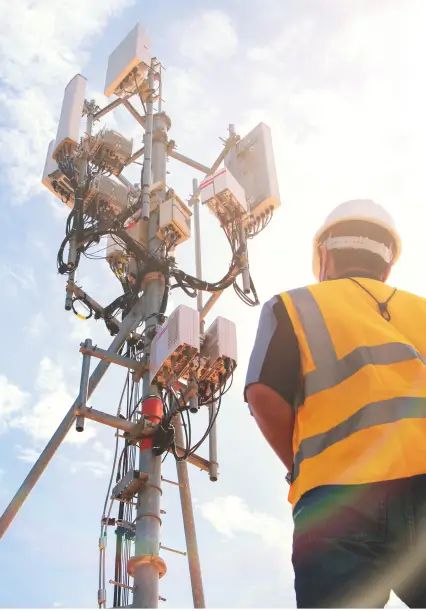
Communications Engineering: Focuses on digital communication systems, cellular networks (4G and 5G), satellite and microwave communications, and messaging and PTP systems.
Artificial Intelligence and Data Science: Focuses on machine learning, big data analysis, and extracting intelligent patterns from data.
Study System and Degree:
Duration of Study: The college program lasts five academic years (divided into ten semesters).
Graduation Project: Students complete their studies by presenting a comprehensive practical graduation project (building a system, application, or advanced network/communications solution) and presenting it to a committee of specialists. Degree Awarded: The university awards its graduates a Bachelor of Information Technology and Communications Engineering degree.
Accreditation: The degree is officially issued and certified by the Ministry of Higher Education and Scientific Research in the Syrian Arab Republic.
Infrastructure and Technical Laboratories: The university provides its students with a state-of-the-art technological environment that includes:
1. Programming and Development Labs: Equipped with the latest software development environments (IDEs) to train students in languages such as C#, Java, and Python, and modern web software such as React and .NET.
2. Networking and Communications Labs: Containing real equipment (routers, switches, and MikroTik devices) to train students in server connectivity and management, wireless communication systems, and signal and frequency analysis.
3. Simulation and Virtual Environment Labs: To train students in complex network simulation software such as GNS3, cloud computing technologies, Docker containers, and server operating systems such as Debian Linux and VMware. Career Opportunities for Graduates
This degree is highly sought after and in high demand in today's job market, opening doors to a variety of career paths:
- Software and Web Developer: Full-Stack/Frontend/Backend Developer - Building websites and software systems for organizations and universities.
- Network & Systems Administrator: Managing the IT infrastructure of companies, setting up HPE ProLiant servers and networking solutions.
- Communications Engineer: Working for mobile phone companies and ISPs, setting up wireless and PTP lines.
- Database Administrator (DBA): Designing, managing, and migrating sensitive data for organizations efficiently and securely.
- Cybersecurity Engineer: Protecting systems, networks, and communications from breaches and vulnerabilities.
- Freelancing: The opportunity to work remotely with global and regional companies in the fields of development and advanced technical support.

0.0k
Students
0
Professors
0
Programs
0
Research

Laboratories
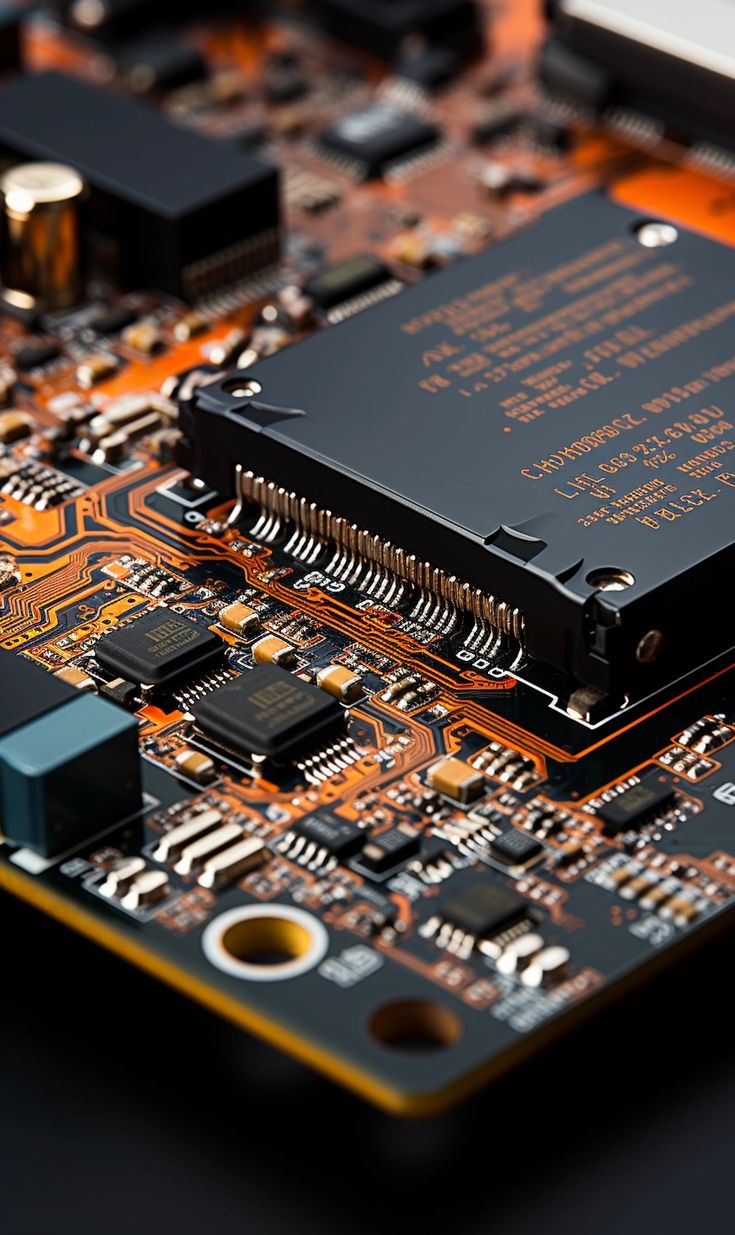
Our faculty is equipped with modern laboratories featuring the latest technologies and equipment to support practical learning and scientific research.



Faculty Staff & Leadership
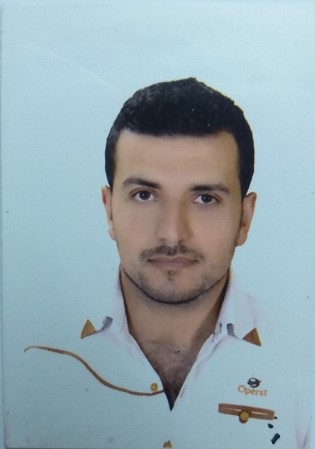
Wael Habib
Dean of the College
Khawla Qassas
communicationShahada Mar'i
Communications engineeringAdnan Bayazid
wireless communicationsKamel Mohamed Ali
mathematicsMohammed Habib
Electricity and ElectronicsMuhyiddin Wayanakh
Information systemsBashar Ghosoun
Automation of control systemsAhmed Al-Arifi
electrical power systemsMuhammad Ali Al-Sayed Ali
nanotechnologyNasr al-Hamawi
Digital controlYusuf Kajan
mathematics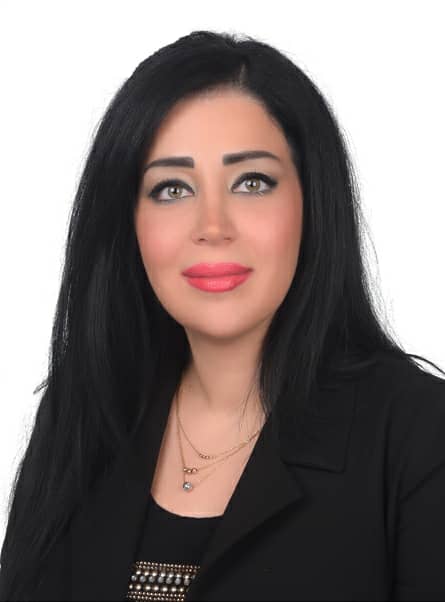
Rima Diab
Literary studiesDr. Obaida Al-Sahli
Executive designsTariq Al-Nasouri
artificial intelligenceKhaled Sultan
Computer programmingAbdullah Al-Omar
databasesAsil Al-Khader
Advanced communicationsBassam Lala
Speech signal processingYasser Jaamour
Specific contactsMohsen Al-Qadi
networksAbdul Nasser Nawfal
radio communicationsNada Barakat
Artificial intelligence and genetic algorithmsJafar Suleiman
Distributed systemsHussein Tayawi Bahbouh
Integrated circuit technologyMuhammad Saif Al-Din Al-Hallaq
Automated control and artificial intelligenceAli Hassan
Radios and antennasRoni Qassam
Network securityMu'adh Al-Nahar
Electronics EngineeringAmmar Kanaan
Power systemsJafar Al-Khair
Principles of Artificial IntelligenceMohamed Mahyoub
wired communicationsBadr is declaring
Computer operating systemsHiba Abu Ahmed
Faculty MemberMohammed Bassam Khabbaz
Precision machine designYounes Fatoum
Engineering PhysicsAbdou Ghazali
Software systemsZuhair Al-Beik
Network engineeringSuleiman Mohammed
Master's in CommunicationsJamal Muhammad
radio frequenciesLama Shakouhi
MechatronicsMajd Hammad
physicsNasser Nasser
mathematicsShukri al-Miqdad
electronKamal Skiker
heat transfer