 English



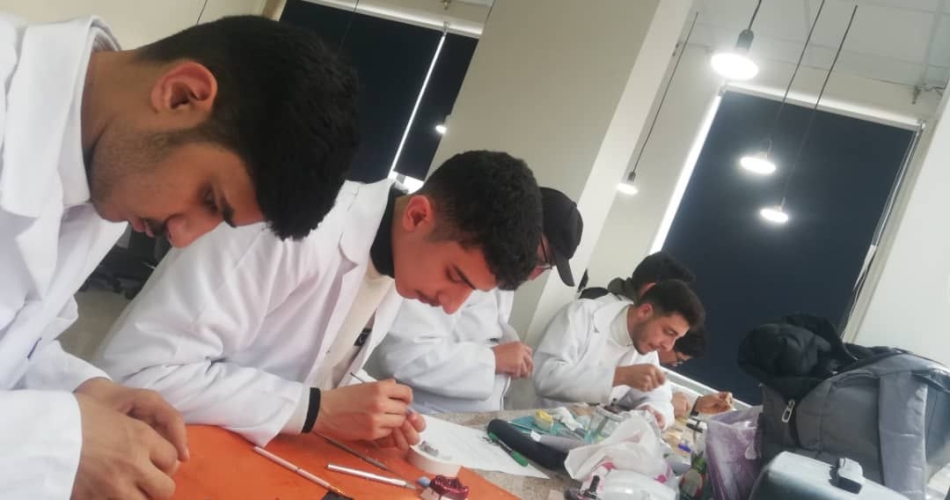


Biochemistry Laboratory
The Biochemistry Lab at the Faculty of Pharmacy, Qasyoun Private University, is a key specialized laboratory that integrates chemical, physiological, and clinical sciences. It focuses on studying biochemical compounds and metabolic reactions occurring within the human body, as well as the biochemical changes associated with disease states.
Laboratory Objectives:
Understanding Molecular Biochemistry: Identifying the chemical structure and physical properties of major biological components (sugars, proteins, lipids, and nucleic acids).
Mastering Medical and Diagnostic Tests: Training students to conduct biochemical laboratory analyses and interpret their results to relate them to clinical and pathological conditions.
Understanding Metabolic Mechanisms and Enzymes: Studying metabolic pathways, enzyme kinetics, and the effects of drugs and enzyme inhibitors or activators on these pathways. Essential Equipment and Supplies
The laboratory is equipped with advanced analytical technologies and equipment that mimic those found in medical and research laboratories:
Spectrophotometry and Optical Analysis Equipment:
UV-Vis Spectrophotometers for measuring absorbance and determining the concentrations of biological substances in serum and blood.
Microplate Readers.
Separation and Collection Equipment:
Cooled and Rapid Centrifuges for separating plasma, serum, and tissue samples.
Electrophoresis Units for separating proteins and nucleic acids (DNA/RNA).
Biochemical Measurement and Control Equipment:
PH and conductivity meters for controlling buffer solutions.
Water baths and temperature-controlled incubators for studying enzyme activity at body temperature (37°C).
Precision analytical balances and magnetic agitation equipment. Biosafety and Bioprotection Equipment: Biosafety Cabinets for the safe handling of biological samples.
Courses and Practical Activities
The laboratory covers the practical aspects of Biochemistry (1 and 2) and Clinical Biochemistry courses:
General Biochemistry and Enzymes:
Qualitative and quantitative detection of sugars, proteins, and lipids in unknown samples.
Study of factors affecting enzyme activity (temperature, pH, substrate concentration, and inhibitors).
Preparation of buffer solutions and understanding their role in regulating acid-base balance in the body.
Clinical and Diagnostic Biochemistry:
Blood glucose (measuring) and glucose tolerance test (GTT).
Kidney function tests (urea and creatinine).
Liver function tests, including aminotransferase (AST, ALT) and bone mineralocorate (ALP). Blood Lipid Analysis (Cholesterol, Triglycerides, and HDL/LDL Lipoproteins).
Safety and Bioprotection Standards
Due to direct handling of biological samples, the laboratory adheres to strict safety standards:
Strict adherence to wearing protective laboratory attire, disposable medical gloves, and goggles when handling biological fluids.
Use of disposable pipettes and instruments to prevent cross-contamination.
Safe and proper disposal of biological waste, needles, and syringes in designated safety boxes according to medical and environmental standards.