 English




Toxicology lab
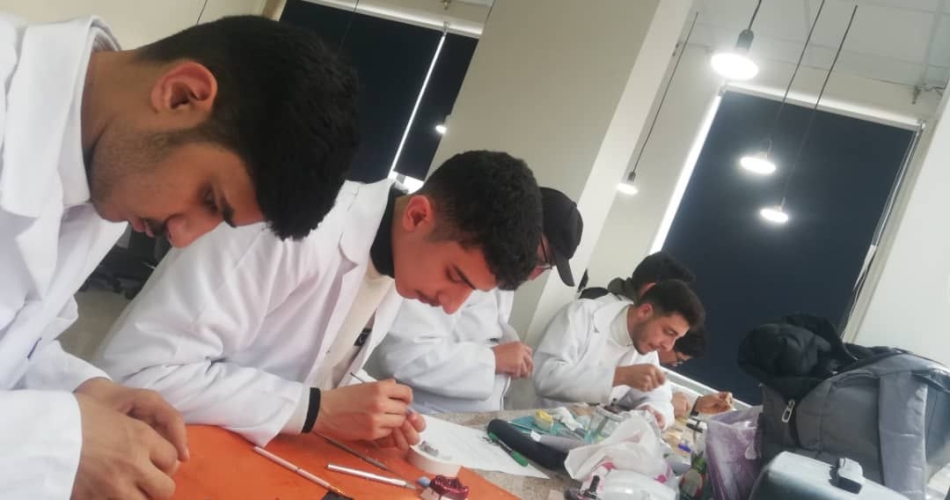
The Toxicology Lab at the Faculty of Pharmacy, Qasyoun Private University, is a vital specialized applied laboratory. It focuses on studying the harmful effects of various chemicals, pharmaceuticals, and toxins on the body, methods for their detection and toxicological analysis, and the pharmacological and medical strategies used in treating acute and chronic poisoning.
Laboratory Objectives:
Toxic Detection and Analysis: Training students in methods for extracting and identifying toxins in biological and environmental samples.
Drug Safety Assessment: Understanding the mechanisms of toxicity of chemical compounds and studying toxic and therapeutic doses (therapeutic index).
Treatment of Poisoning and Antidotes: Training students in the use of appropriate emergency measures and diuretics (antidotes) for each type of poisoning. Essential Equipment and Supplies
The laboratory is equipped with the necessary equipment for isolating and detecting toxins, and conducting analytical toxicology tests:
Extraction and Separation Equipment:
Thin-Line Chromatography (TLC) with UV reading cabinets for detecting toxins and drugs.
Centrifuges for isolating biological fluids (blood, plasma, and serum) and preparing samples.
Solid-Phase Extraction Units (SPEs) for purifying toxic samples.
Spectroscopic and Analytical Equipment:
UV-Vis Spectrophotometers for calibrating specific toxins and concentrations of drugs with narrow therapeutic indices.
PH meters and precision analytical balances.
Sample Handling and Safety Equipment:
Fumigation equipment and water baths with agitation for concentrating and extracting samples.
High-efficiency fume hoods for protecting students when handling toxic substances and volatile solvents. Safety and personal protective equipment for handling biological samples and toxins.
Course and Practical Activities
The laboratory covers the practical aspects of the Toxicology, Analytical Toxicology, and Forensic Toxicology course:
Toxic Analysis and Toxin Detection:
Methods for isolating and extracting organic and inorganic toxins from biological samples (blood, urine, and tissues).
Performing colorimetric and precipitation reactions for detecting contaminants and inorganic toxins (such as arsenic, lead, and mercury).
Detection of volatile toxins (such as methanol and ethanol) and organic toxins (alkaloids and narcotics).
Pharmaceutical and Environmental Toxicology:
Studying the toxic effects of high doses of common medications (such as paracetamol, salicylates, and narcotics).
Studying environmental pollutants and food toxins (pesticides, fungi, and aflatoxins).
Therapeutic Measures and Antitoxins:
Implementing simulated poisoning scenarios and determining appropriate emergency treatment (gastric lavage, activated charcoal, and the use of specific antitoxins). Safety and Toxicology Standards
Due to the nature of the materials used, the laboratory applies exceptional safety requirements:
Strict adherence to the use of personal protective equipment (aprons, chemical-resistant gloves, goggles, and respirators).
Handling of highly toxic materials or organic solvents is prohibited except within designated fume hoods.
Safe and precise disposal of biological and toxic waste in accordance with approved health and environmental disposal protocols.